This site will use Amazon affiliate links and may earn a commission. Links here are placeholders until an Associates tag is live. Disclosure.

Rack and Plate

If you already have adjustable dumbbells, floor mats, and a doorway or wall pull-up bar, do not start by buying a full power rack. That kit covers a lot of work.

Rack and Plate is a buying guide for a garage or spare room. The future domain is rackandplate.com. It is not a store. The buy order is also a budget order. Start with adjustable dumbbells. They are still useful alone. Mats and a pull-up bar are small adds. Then a power stand. Then a fold-down bench, if the room needs one. A full rack and plates are later, and more expensive.

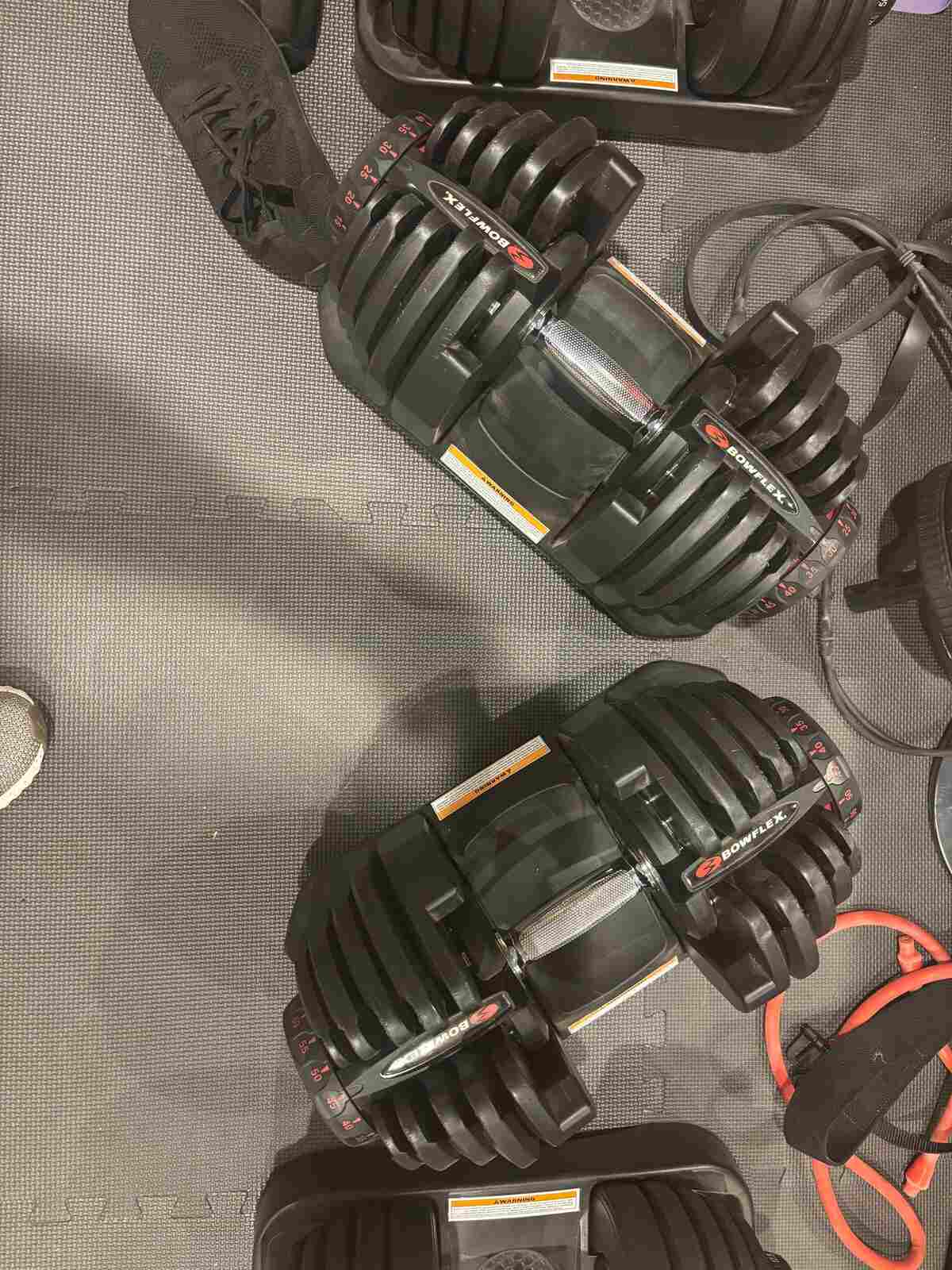
The dumbbells this guide starts from are Bowflex and FitRx. No model number is named. This page does not claim a unit was tested. Confirm fit on the current listing.

The recommendation

What this usually costs: typical street ranges as of Sep 2026, not a quote. Check the current listing. Adjustable dumbbells are the cheap first start, often about $200 to $500 for a first pair, and they are still useful alone. Mats and a pull-up bar are the small adds: a first tile pack is often about $100 to $200, a basic doorway bar often about $25 to $50, a simple wall-mount bar often about $80 to $140. A power stand is next, often about $330 to $450 for the named Titan tall stand, before a bar and plates. A fold-down bench, if the room needs one, is often about $350 to $500. A later Titan X-3 class rack is more, often about $670 to $900 for the rack alone. Plates are a separate later spend.

Put floor mats down before you drop a bar or set up a stand. A mountable pull-up bar, in a doorway or on a wall, covers pull-ups until you want them off the door frame.

The useful next buy is a power stand, also called a squat stand. It is a pair of uprights you walk a bar out of, usually with J-hooks and a pull-up bar across the top, and often with spotter arms. Use it for squats, presses, and pull-ups that are not hanging on a door frame. It is enough while the dumbbells still do most of the work, and when you want a barbell station that uses less floor than a four-post rack. It is not a cage. A missed heavy bench is still your problem unless the stand has spotter arms you can actually set, and even then a stand is more open than a rack.

Buy a full rack later, when you want the bar caught inside the posts, a more stable place for a heavy bench, and room to keep plates. If you cannot bolt the floor, the later example is the Titan Fitness X-3 Series Flat Foot Power Rack. If you can bolt into concrete or a platform, the Titan Fitness T-3 Series Power Rack is the bolted example. A fold-down bench can come earlier, after the stand, if the room needs the floor back. A stays-out FID is a later bench with the rack path. Plates come in pairs after the steel is chosen. Those names are later examples. This page does not rank them, score them, or claim anyone here used a particular unit.

Where to start

Later

Rack, bench, and plates

Do not open the cart with a full rack if the dumbbells, mats, and a mountable pull-up bar are already in the room. A rack in the Titan X-3 class is the later, more expensive buy, and plates come after the rack. When you do move on, the shortlist is a flat-foot rack unless you can bolt, then plates in pairs. A standard 7-foot Olympic bar with 2-inch sleeves is assumed. It is not a scored pick.

Read the later setup

On this site

Where to go next

  • Adjustable dumbbells — cheap first start, still useful alone. Bowflex and FitRx. No model number.
  • Floor mats — small add, down before you drop a bar or set up a stand.
  • Pull-up bar — small add. Doorway or wall, until the stand takes that job.
  • Power stand — next steel. Squats, presses, and pull-ups off the door frame.
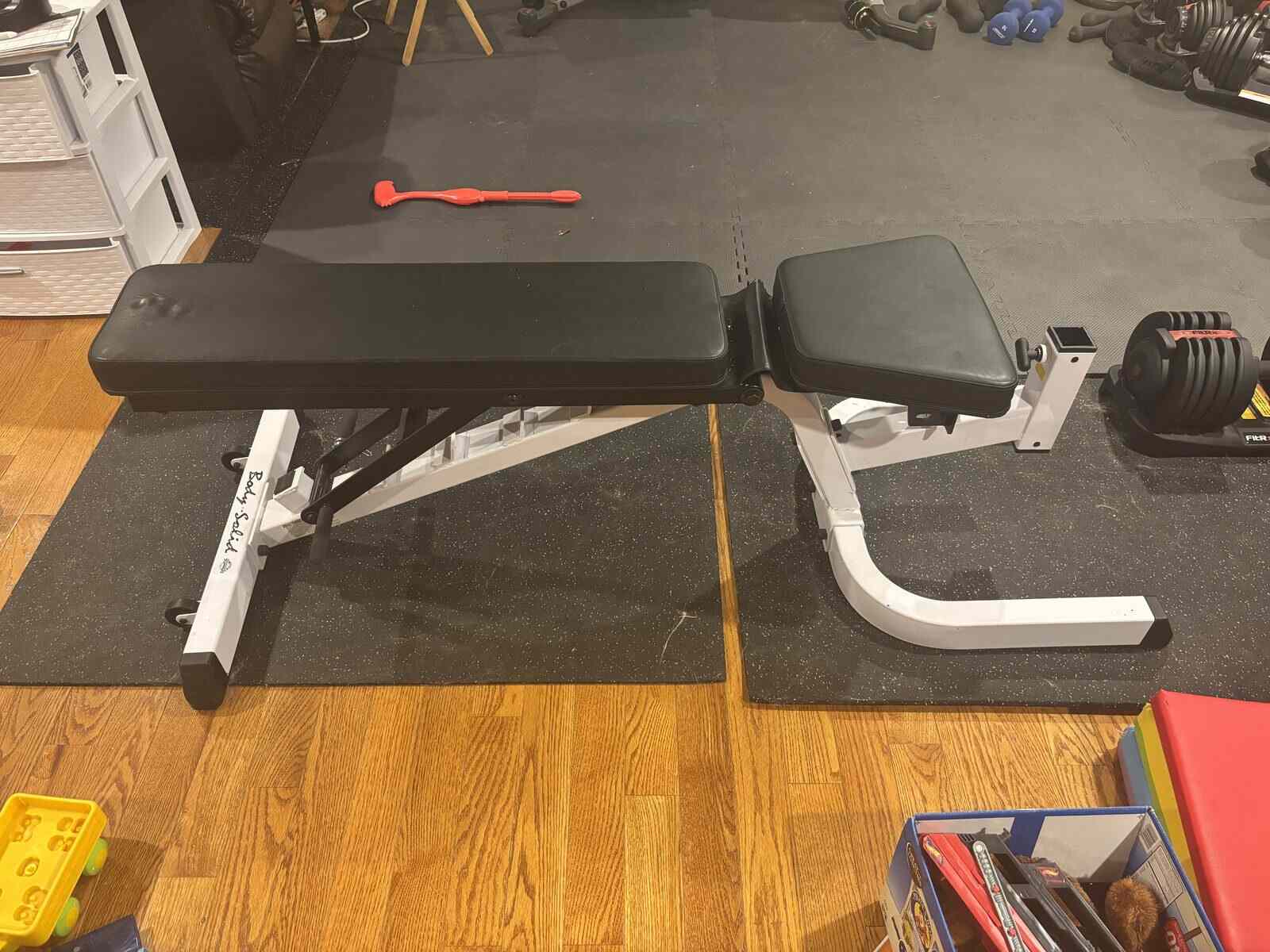
  • Folding bench — after the stand, only if the room needs the floor back.
  • From dumbbells to a stand — the spend order, and when a full rack is the later buy.
  • Later setup — rack, then one bench, then plates in pairs.
  • Racks — flat-foot unless you can bolt. Titan X-3, or Titan T-3 if you can bolt it.
  • Benches — one FID, or a flat bench if that is all you press.
  • Plates — pairs, then iron or bumper. Mats first if the bar will hit the floor.
  • Flat-foot vs bolted — the floor decision, when you buy the rack.
  • Iron vs bumper — set the bar down, or not.
  • About · Disclosure · Privacy

Contact: hello@rackandplate.com